
Align with your child.
Strengthen your parenting by healing from Complex Trauma and fostering a healthier connection with your child. Unlock the tools to heal from your trauma and transform your relationship with your child, cultivating emotional intelligence and deeper understanding.
Join 700+ people already enrolled.
FORMAT
Self-paced
ACCESS
Lifetime, with Thinkific account
LESSONS
83 lessons
CONNECTION
Community space access
STARTING OUT
Is this course right for you?
If you’ve felt disconnected from your child or worried about passing down your trauma, you're not alone. Healing is possible—and it starts with understanding your own emotional needs. In this course, you’ll learn to break the cycle of trauma, build emotional resilience, and create a healthier, more connected relationship with your child. By becoming the parent you’ve always wanted to be, you can help your child become the person they’re meant to be.
Align With Your Child is a good fit if…
✓ You've felt disconnected from your child
✓ You worry about passing your trauma down to them
✓ You want to parent with more empathy, patience and emotional intelligence
✓ Your child is any age, from toddler to young adult
✓ You want to work on healing your inner child
Not ready yet? That’s okay.
You can take the course slowly and gently, and take a break if you feel overwhelmed. Once you enroll, you have lifetime access.
ADDICTION + COMPLEX TRAUMA
How Complex Trauma and addiction connect.
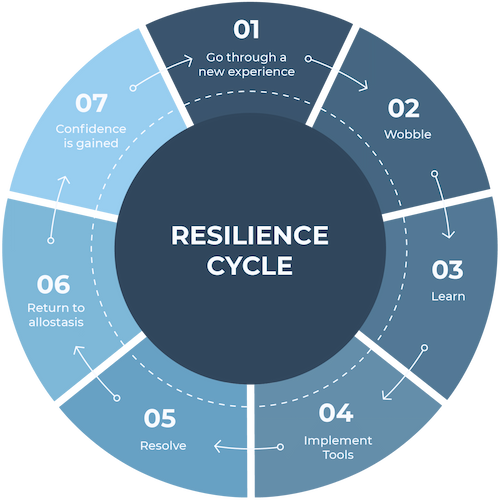
Parenting is one of the toughest jobs, especially when you're healing from Complex Trauma. This course helps you break the cycle of trauma, build emotional resilience and create a healthier, more connected relationship with your child..
✓ Process and release painful emotions so you can be a supportive, compassionate parent
✓ Address your own emotional needs first so you can better care for your child's
✓ Learn to recognize, understand and process emotions for healthier communication
PRACTICAL TOOLS
- Why Ladder
- Five C's of Communication
- Mindfulness
- Journaling
- Relationship Mapping
- and more..
What to expect.
83 lessons
Complex Trauma, addiction and holistic healing techniques.
Suitable for all ages
Some modules are tailored to specific age groups, all are adaptable to children of any age, ensuring you can use them right away.
Video, reading, reflection activities
Every module includes all three, plus journal prompts and self-work questions.
Community space
Connect and learn with others who understand your journey.
Non-faith-based and open to adults 18+ of all backgrounds.
Our programs and courses welcome each participant with dignity and respect, regardless of race, gender, ethnicity, religious beliefs or otherwise, and will ensure that our staff members and other participants cooperate with courtesy, understanding, and most importantly, love.
WHAT TO EXPECT
Course curriculum.
12 modules. Each one has an introduction, lessons, and a video to watch.
-
How to Use This Course
Questionnaire: Before We Begin
-
Parenting can feel overwhelming, especially when trauma has shaped how we relate to our children. In this module, you’ll learn how complex trauma affects development, explore the differences between a healthy home and a trauma-impacted one, and gain a foundation for supporting children’s growth with acceptance, safety, and connection.
-
Introduction • Lessons • Video
Most of us parent from the tools we were given, without realizing how our styles impact our children. In this module, you’ll examine 16 different parenting styles—from healthy approaches to those shaped by trauma—while gaining insight into emotional maturity, self-awareness, and traits that foster healthier parent-child relationships.
-
Introduction • Lessons • Video
Children thrive when their core needs are understood and met consistently. In this module, you’ll explore the 12 basic needs every child has—ranging from safety and belonging to purpose and joy—and discover practical strategies for creating environments where these needs can be nurtured.
-
Introduction • Lessons • Video
Our “why” behind parenting shapes how we guide and respond to our children. In this module, you’ll uncover different parenting motives, see how complex trauma can distort them, and practice tools like the “Why Ladder” to build healthier intentions that support growth for both parent and child.
-
Introduction • Lessons • Video
Children thrive in environments where encouragement outweighs criticism, but trauma often leaves a legacy of discouragement and fear. In this module, you’ll learn how to create a supportive, affirming environment, explore the impact of encouragement on brain development, and practice tools that build resilience and restore hope.
-
Introduction • Lessons • Video
Many people raised in trauma-impacted homes see vulnerability as weakness, but it is actually key to connection and trust. In this module, you’ll uncover myths about vulnerability, understand its role in healthy relationships, and explore practices that help both parents and children embrace authenticity safely.
-
Introduction • Lessons • Video
Healthy communication goes beyond words—it requires listening, presence, and clarity. In this module, you’ll learn the “Five C’s” of effective communication, identify common barriers shaped by trauma, and practice practical tools to strengthen connection through both verbal and non-verbal communication.
-
Introduction • Lessons • Video
Self-discipline is essential for growth, but trauma often fuels either avoidance or extremes in this area. In this module, you’ll explore the roots of self-discipline, how unmet needs impact motivation, and strategies to guide children toward balance, persistence, and healthy boundaries.
-
Introduction • Lessons • Video
Stress can overwhelm children, especially those shaped by trauma, leaving them stuck in survival mode. In this module, you’ll learn how stress affects the brain and body, explore concepts like epigenetics and nervous system regulation, and discover top-down and bottom-up tools to help children build resilience and calm.
-
Introduction • Lessons • Video
Children often mirror the routines they see at home, but trauma can disrupt the ability to form healthy patterns. In this module, you’ll explore how habits develop in the brain, compare good and bad habits, and practice strategies for breaking unhealthy cycles, creating supportive routines, and building habits that nurture long-term well-being.
-
Introduction • Lessons • Video
Play is essential for healthy development, yet trauma often distorts its role or makes it feel unsafe. In this module, you’ll uncover the benefits of play for children and adults, examine how trauma can hinder fun and creativity, and learn ways to reintroduce play as a vital part of connection, healing, and family life.
-
Introduction • Lessons • Video
Respect is a cornerstone of healthy relationships, but trauma can distort how children understand or give it. In this module, you’ll learn about five types of respect, how trauma impacts respect in relationships, and engage in reflective activities that build healthier ways of showing and receiving respect.
-
Introduction • Lessons • Video
Physical health is vital for both parents and children, yet trauma often leaves bodies overstressed and disconnected from balance. In this module, you’ll explore how trauma impacts the nervous system and overall health, discover the role of the 12 Basic Needs in maintaining well-being, and practice strategies for building healthier rhythms in daily life.
-
Introduction • Lessons • Video
The way children learn to think shapes every part of their future, but trauma can distort healthy thought patterns. In this module, you’ll learn about stages of thinking, how trauma disrupts critical thinking, and tools like the “7 steps to improve critical thinking skills” to help children grow in discernment, problem-solving, and decision-making.
-
Introduction • Lessons • Video
Acceptance gives children the safety to be their authentic selves, but trauma often blocks both parents and children from experiencing it. In this module, you’ll uncover how acceptance heals shame, learn the difference between healthy and unhealthy acceptance, and explore practices for embracing yourself and your child without conditions.
-
Introduction • Lessons • Video
Children learn how to treat others by watching how we set boundaries and form connections, but trauma can cloud these lessons. In this module, you’ll explore the role of personality and character in relationships, understand healthy vs. unhealthy patterns of acceptance, and use tools like relationship mapping and the “five acceptance tools” to guide children in building safe, respectful connections.
-
Introduction • Lessons • Video
Life inevitably brings challenges, but trauma often leaves children without the tools to bounce back. In this module, you’ll learn what resilience really means, explore how it develops through supportive relationships and experiences, and discover practical ways to help children face setbacks with confidence and adaptability.
-
Introduction • Lessons • Video
Adversity is part of every life, yet trauma can make it feel overwhelming or impossible to handle. In this module, you’ll explore sources and scales of adversity, understand how hope grows through struggle, and practice tools such as the “ABC’s of Adversity” to help children face difficulties with perspective and strength.
-
Introduction • Lessons • Video
Everyone experiences failure, but trauma often turns it into shame and false messages about identity. In this module, you’ll learn about different kinds of failure, identify unhealthy responses shaped by trauma, and practice tools of self-compassion, forgiveness, and reflection to transform failure into growth and resilience.
-
Introduction • Lessons • Video
Grief touches all children at some point, but trauma complicates how they experience and express loss. In this module, you’ll learn how grief shows up across developmental stages, explore the intersection of complex trauma and grief, and use practical tools and activities—from the five stages of grief to coping strategies—to support children through mourning and healing.
-
Introduction • Lessons • Video
Anxiety can leave children stuck in survival mode, struggling with worry, fear, and self-doubt. In this module, you’ll learn how trauma fuels anxiety, explore its connection to shame, and discover practical tools such as mindfulness, journaling, and coping strategies that help children regulate emotions and build safety.
-
Introduction • Lessons • Video
Anger is a natural emotion, but in trauma-impacted families it often becomes misplaced or explosive. In this module, you’ll explore the roots of anger, including limbic brain responses and unmet needs, uncover how anger is expressed in different roles within dysfunctional families, and practice strategies for helping children calm down safely.
-
Introduction • Lessons • Video
Unresolved anger can damage relationships if children don’t learn healthy ways to express it. In this module, you’ll learn practical approaches to handling anger in the moment, understand the importance of consequences versus punishment, and practice tools like emotional check-ins, mindfulness, and physical activity to guide children toward balance.
-
Introduction • Lessons • Video
In trauma-impacted homes, lying often develops as a survival strategy rather than a moral failing. In this module, you’ll explore the connection between lying, shame, and unmet needs, understand how trauma shapes dishonest patterns, and use reflective exercises and compassionate tools to replace secrecy with trust and authenticity.
-
Introduction • Lessons • Video
Depression can leave children feeling helpless, withdrawn, and disconnected, especially when shaped by complex trauma. In this module, you’ll learn how trauma and biology intersect in depression, explore common signs and false beliefs that fuel it, and discover tools like behavioral activation, social support, gratitude, and mindfulness to support healing.
-
Introduction • Lessons • Video
Self-harm is often misunderstood, but it usually signals deep emotional pain rather than attention-seeking. In this module, you’ll explore the roots of self-harm in trauma, confront myths that surround it, and practice grounding tools such as mindfulness, journaling, connection, and healthy emotional outlets to guide children toward safety and hope.
-
Introduction • Lessons • Video
Eating disorders are complex conditions often rooted in trauma, shame, and unmet needs. In this module, you’ll uncover the links between trauma and eating disorders, learn to identify warning signs and false inner voices, and explore healing tools like boundary setting, positive self-talk, and practical supports that encourage long-term recovery.
Here’s what our clients say.
I can honestly say that Lift has completely changed my life. When I started Lift I didn’t even know who I was as I wore masks my entire life … My relationships are currently better than I could have ever dreamed of.”
Amazing! Life transforming! Thank you so much! Thank you for this wonderful roadmap to finally learning how to provide my needs and heal my complex trauma. I’m overjoyed with gratitude. Truly transformational!”
Great course. I feel a strange sense of contentment as I work through it. Also, the feeling that someone finally understands me after years of being unsuccessful with therapy is hard to describe - it gives me hope…”
For the first time in my life, I found a community where I didn’t feel different, alone, or on the outside looking in. This program changed me and I am incredibly grateful.”
It took me almost 6 months before I could convince myself to spend the money on this course … I can now admit it was a small investment in the future I can look forward to. If you don’t take action, nothing will change.”
Priceless! I have been searching for answers for as long as I can remember. This is the start of another path in my journey. Thanks for putting together such thoughtful and invaluable resources.”
Before I started I had no idea how to pinpoint my core beliefs, issues and thought patterns. It’s really helped me grow and given me tools to keep growing. This is what I’ve needed my whole life, and I’m so thankful.”
It was very healing for me to begin reparenting myself by working on the 12 Basic Needs I didn’t receive as a child.”
Everyone needs this course. I realize how deep my inner critic has eaten into the fabric of my soul. I got so much clarity and resources for healing through this course. Thank you so much Tim Fletcher and team.”
I felt heard. I will recommend to others. This is the missing puzzle piece in my healing journey.”
I’ve been watching Tim’s videos for a couple of years. I had worked through many things before starting … but I was stuck on some. Through this course I have made progress and will make more. It’s working.”
Finally, answers! This is a wonderful resource to help me to fully understand how my scapegoating abuse from a toxic family caused such profound angst within me. With understanding, I now have tools for healing.”
Must-have information for every human-being. This experience reignited the joy of life within me. I feel loved.”
This course taught me so much. I am a little sad for the little girl inside me and have more compassion for myself and others.”
What I’ve been looking for. There are plenty of resources to help you understand your issues, but I’ve really struggled finding anything that says, ‘What do I do next?’ This is the information you need to start down the path of feeling better about you.”
This program has really opened my eyes. I still have a lot of work to do, but I now have a lot more awareness and the resources I need to continue healing.”
Amazing. I feel so much healing from this.”
Life changing … It’s so full of gems. I’ve recovered a lot through the techniques in this course. It’s extremely resourceful and also shares a bunch of resources at the end which is very generous. Forever grateful.”
Absolutely life changing in every way. I cannot convey my gratitude, respect and admiration enough.”
This was a real eye-opener, but even more importantly, it gives you steps to start the healing process. The bonus resources section at the end is worth its weight in gold!”
This course may be harder than I originally thought but it is what I need right now. It is also filling gaps I wasn’t able to grasp during Lift participation. I gained more than what I expected. I am so glad I completed this course.”
100% highly recommended! I really loved the system and how it presents deep topics in such a clear, digestible, and empathetic way. I also appreciate the resources provided to go deeper and continue working on key points.”
This course is excellent. I haven’t read anything quite like this material before, and it out words to my experience so I could begin to grieve what happened.”
This was helpful for me to understand the basics and has answered a lot of questions related to some of the underlying issues I have been living with.”
Love and compassion.. I so appreciate this course as it gives voice to long buried feelings so they can be processed and healed one day at a time.”
Thank you for this course. I could relate to a lot of it for myself & others in my life. This course gave me an understanding of why I am who I am & what I need to do to help myself heal and move forward one step at a time.”
Bite-sized and informative for the price. This course helped me understand why I procrastinate in relationships as an adult, it helped me explore my childhood and the root cause of this behavior. Thank you!”
This was a great addition to talking to a counsellor in helping me navigate this ongoing situation and learning more about myself I wouldn’t have otherwise that I’m sure will reverberate into all areas of my life.”
Appropriate. A great introduction to the topic of emotional neglect. Making me aware of its impact was most helpful.”
This is a straightforward course that gets right to the point. It is helpful to make the connection between my behavior and its origins. The self work questions and journal prompts are meaningful & I found them easy to do.”
Great compliment to what I’ve been working towards for over 10 years. When you think you’ve done all you can there always seems to be more!”
First course I have done. Very thought-provoking. You definitely need a quiet private spot to do these courses.”
A really good insight into myself and the process of boundaries with a narcissist.”
Well put-together. Videos with handouts are very informative.”
PRICING OPTIONS
Enroll in Align With Your Child.
It’s time to break the cycle of trauma and build a stronger connection with your child.
You don’t have to keep wondering if you’re passing your trauma on to your child. This course will help you heal, strengthen your bond, and build a healthier future together. Start your journey today and create the emotional connection you've always wanted.
$75 CAD/month
6-month payment plan.
$450 CAD
One-time payment. Afterpay and Klarna available.
Included with either option:
✓ Lifetime access with your Thinkific account
✓ Community space included
✓ Cancellation and refund requests must be made within 45 days of purchase
What is Complex Trauma?
“Trauma is not what happens to you. Trauma is what happens inside you as a result of what happens to you.” —Gabor Maté
Trauma is someone’s response to a deeply scary or harmful event that makes them unable to cope.
Complex Trauma (or C-PTSD) is defined as the response to an ongoing environment of danger where one never feels safe. This response constantly signals a stress response such as fight, flight, freeze, or fawn. It affects every aspect of a person—their bodies, relationships, brains and ability to have a spiritual connection. Tim Fletcher has identified over 85 Characteristics of Complex Trauma which may help you put the pieces together as to how it may be affecting you.